Industrial AI is no longer a distant concept; it's a present-day reality. The International Society of Automation (ISA) has just released the definitive guide for its secure, effective, and profitable integration. Are you ready for the transformation? This white paper is your map.
INTRODUCTION
As artificial intelligence (AI) steadily establishes itself in the industrial landscape, the International Society of Automation (ISA) has published a decisive white paper. This document charts the course for a secure and effective integration of AI in industrial environments. Titled "Industrial AI and Its Impact on Automation," this capital document offers industry professionals a strategic roadmap to navigate this major technological transformation.
ISA'S PIONEERING ROLE IN STANDARDIZATION
ISA, a leading professional society in automation, reinforces its authority in industrial standardization with this publication. The white paper draws on the organization's technical expertise to establish a pragmatic framework that combines innovation with responsibility. As Claire Fallon, ISA's Executive Director, emphasizes: "Industrial AI is fundamentally transforming our approach to industrial processes. Our position combines technological vision with operational safety imperatives."
THE CORE PILLARS OF INDUSTRIAL AI
The document identifies several structuring pillars for successful adoption:
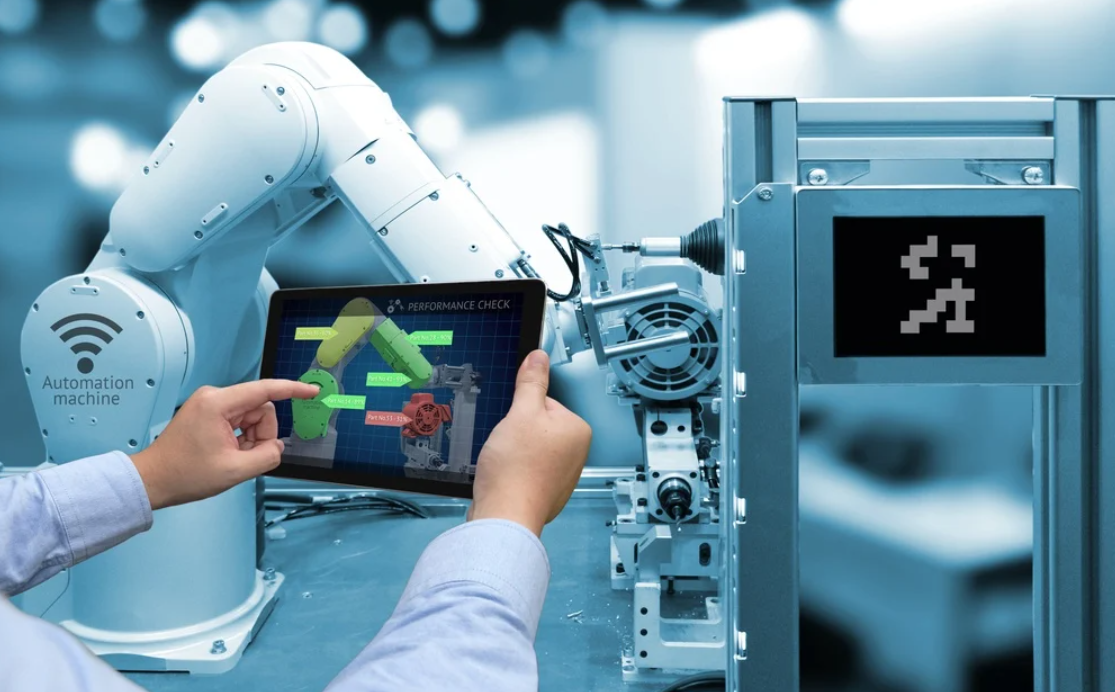
TANGIBLE OPERATIONAL VALUEIndustrial AI demonstrates its potential through concrete process improvements. Applications include optimizing predictive maintenance, enhancing quality control systems, and developing autonomous robots capable of complex interactions. These advancements are transforming industrial facilities into safer, more efficient environments.
SECURITY AS A NON-NEGOTIABLE IMPERATIVEThe white paper places special emphasis on the critical need to secure AI systems. The ISA/IEC 62443 series of standards is presented as the reference framework for addressing the specific vulnerabilities of intelligent industrial systems. Protecting against new cyber threats and ensuring operational reliability are absolute priorities.
THE MANDATE FOR TRAINING AND SKILL EVOLUTIONThe transition to industrial AI requires a profound transformation of skills. The document highlights the crucial importance of training and team adaptation programs, drawing on recognized benchmarks like the U.S. Department of Labor's Automation Competency Model.
A COLLABORATIVE VISION FOR THE INDUSTRIAL FUTURE
ISA positions this white paper as a major contribution to the global industrial dialogue. The organization calls for close collaboration among industry leaders, policymakers, and academia to establish common standards and shared best practices.
CONCLUSION
The ISA's publication marks a decisive step in the maturation of industrial AI. By offering a structured framework and practical recommendations, this document becomes an essential resource for all stakeholders involved in the digital transformation of industries. Professionals in automation, cybersecurity, and operational management will find the necessary guidance to lead a reasoned and secure adoption of AI within their organizations.