The Factory of the Future is no longer a concept. 2025 was a real-world test, forging the path to greater resilience and intelligence. Discover the 4 key lessons in automation, data, and human-machine collaboration that are redefining the industry. The roadmap for 2026 starts here.
INTRODUCTION
2025 wasn't just a year of innovation in the manufacturing sector; it was a practical demonstration of where the industry is heading: a resilient, interconnected, and human-centric ecosystem. Faced with labor shortages, supply chain tensions, and economic uncertainty, factories had to evolve rapidly. Here are the four major lessons defining the future of manufacturing.
1. SMART AUTOMATION: A PARTNER FOR SAFETY AND RETENTION
In 2025, automation showed its true value: it's not just a tool for efficiency, but a strategic lever for employee well-being. Facing a rising unemployment rate in the sector (3.8% in August 2025, according to the BLS) and persistent recruitment difficulties (65% of companies cite this as their main challenge, according to Deloitte), solutions like mobile robots (AMRs) and automated storage/retrieval systems (AS/RS) played a crucial role.Their impact goes beyond productivity:- Increased safety: They remove operators from high-risk and repetitive tasks, which cause injuries and burnout.- Skill enhancement: By freeing employees from manual tasks, they allow them to focus on higher-value work, such as supervision, problem-solving, and complex maintenance, thus increasing job satisfaction and retention.
2. HUMAN AND MACHINE: AN INSEPARABLE STRATEGIC PARTNERSHIP
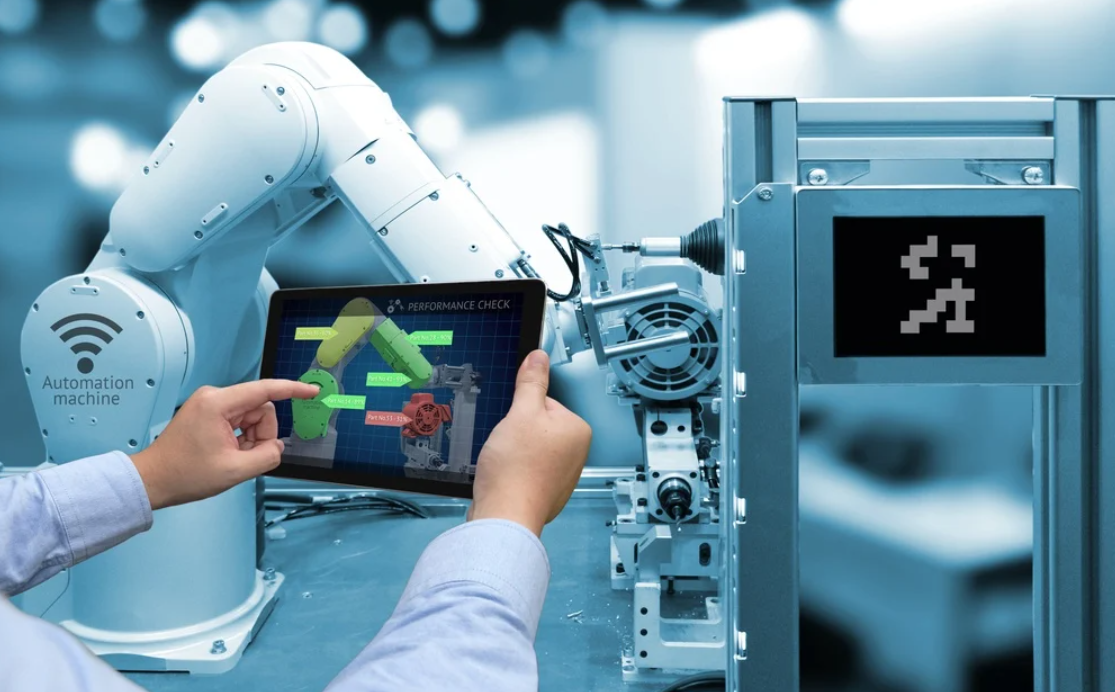
While machines have taken on much of the physical load, human judgment has remained more essential than ever. In 2025, the operator's role evolved from execution to supervision and optimization. Quality, exception handling, and real-time strategic decisions still rely on human intelligence.The most successful factories are those that have created synergy between teams and automated systems. The human trains, corrects, and improves the machine; the machine, in turn, provides the data and performs the tasks that allow the human to exercise better judgment. It's not a replacement, but a collaboration.
3. INTEROPERABILITY: THE NERVOUS SYSTEM OF THE MODERN FACTORY
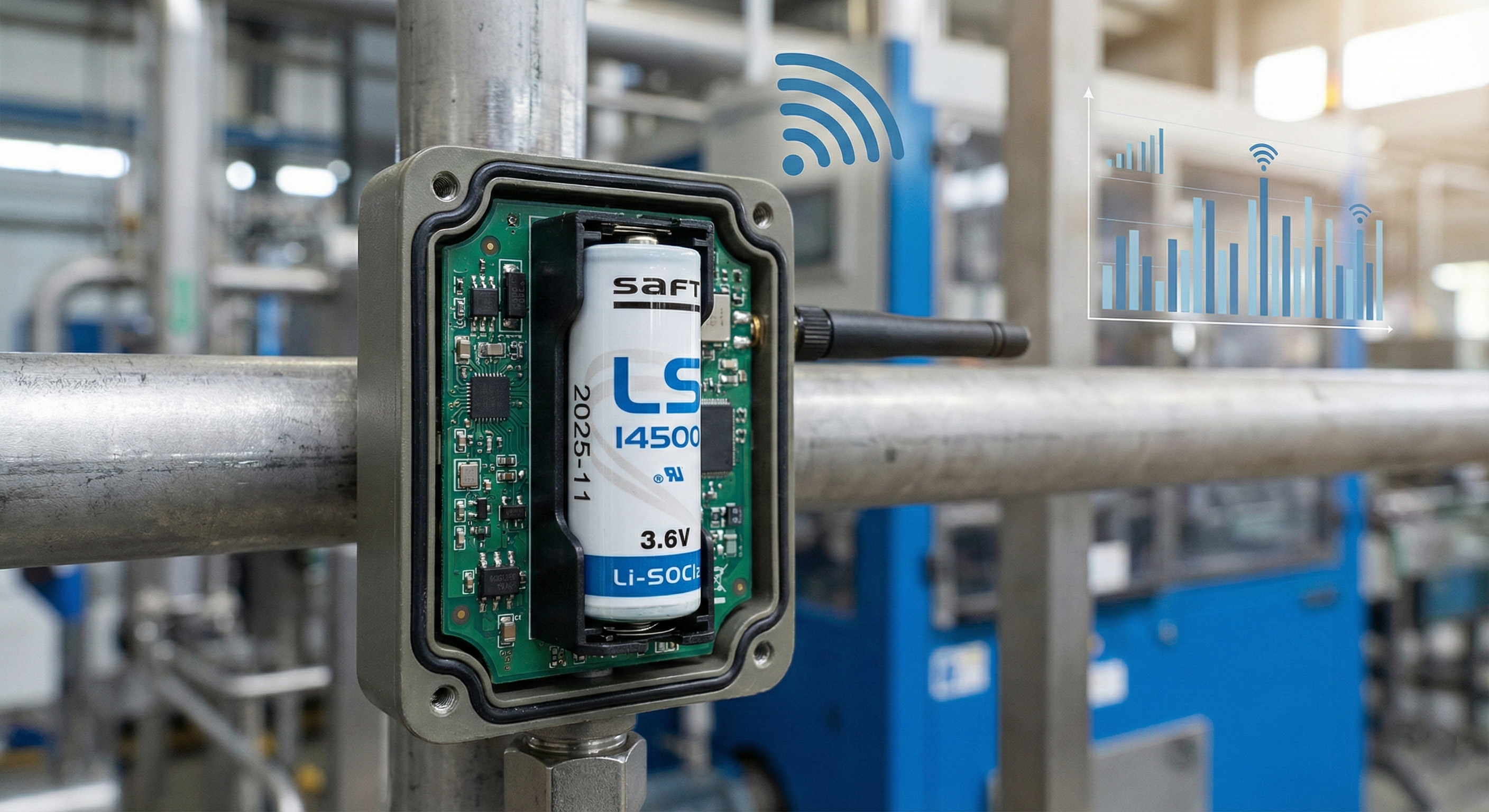
Faced with geopolitical disruptions, resilience has become an imperative. The World Economic Forum highlighted the risk of technological fragmentation in the supply chain. The response in 2025 was interoperability.It's no longer about having isolated robots or sensors, but about creating an integrated ecosystem where all technologies communicate with each other. This connectivity allows for: - Total visibility: From the loading dock to the production line, every link is visible and analyzable. - Agile decision-making: With information flowing in real-time, teams can react faster to disruptions, minimizing downtime and optimizing workflows. - Continuous adaptation: The factory becomes a living system, capable of reconfiguring itself based on demand or constraints.
4. DATA: FROM REAR-VIEW MIRROR TO PREDICTIVE BEACON
In 2025, data shifted from being a reporting tool to a strategic compass. In an uncertain context, the ability to anticipate has become the main competitive advantage.Real-time analysis is no longer just for understanding what happened, but for predicting what will happen. It feeds predictive maintenance (avoiding breakdowns), optimizes workforce allocation, and strengthens safety protocols by identifying potential risks before they materialize.
CONCLUSION: THE ROADMAP FOR 2026 AND BEYOND
The most enduring lesson of 2025 is that the future of manufacturing rests on a delicate balance. The most sophisticated technology is nothing without a clear strategy and the human skills to pilot it. The factory of tomorrow will be a coherent whole, where people, data, and automated machines form a unified ecosystem. Adopting this holistic vision is not just the key to operational efficiency; it is the surest path to building a resilient and sustainable company.